What is this curriculum trying to achieve, and how does this relate to our overall aims and ethos?
At Lyminster Primary, our aim is to develop children’s scientific understanding through a carefully planned and engaging science curriculum. We provide exciting opportunities that help pupils build knowledge, develop skills, and explore the world around them. Through a range of investigations, enquiries, and thought‑provoking questions, children learn about scientific processes both inside the classroom and outdoors. While our curriculum follows the National Curriculum, we also nurture children’s natural curiosity by encouraging them to ask questions and pursue their own interests, helping them develop a lifelong appreciation of science.
Early Years Foundation Stage (EYFS)
In the Early Years, children take part in regular hands‑on experiences that encourage them to observe, explore, and talk about what they notice. They begin to use simple scientific language to explain their ideas and discoveries, setting the foundations for future learning.
Key Stage One (Years 1–2)
In Key Stage One, pupils continue to observe and explore the world around them. They are encouraged to talk about what they see, ask questions, test ideas, and make links in their learning. Topics are designed to challenge misconceptions and gradually broaden their scientific understanding of everyday phenomena.
Key Stage Two (Years 3–6)
Throughout Key Stage Two, children build confidence in using scientific language and begin to communicate their findings more clearly. They recall scientific ideas, explain what they have discovered, and later present their results in written or digital formats.
In Years 5 and 6, the focus is on deepening their understanding of scientific concepts. Pupils are given time to explore ideas in greater depth, make decisions about how to investigate questions, and choose appropriate ways to record and present their findings. This encourages independence and ownership in their scientific learning.
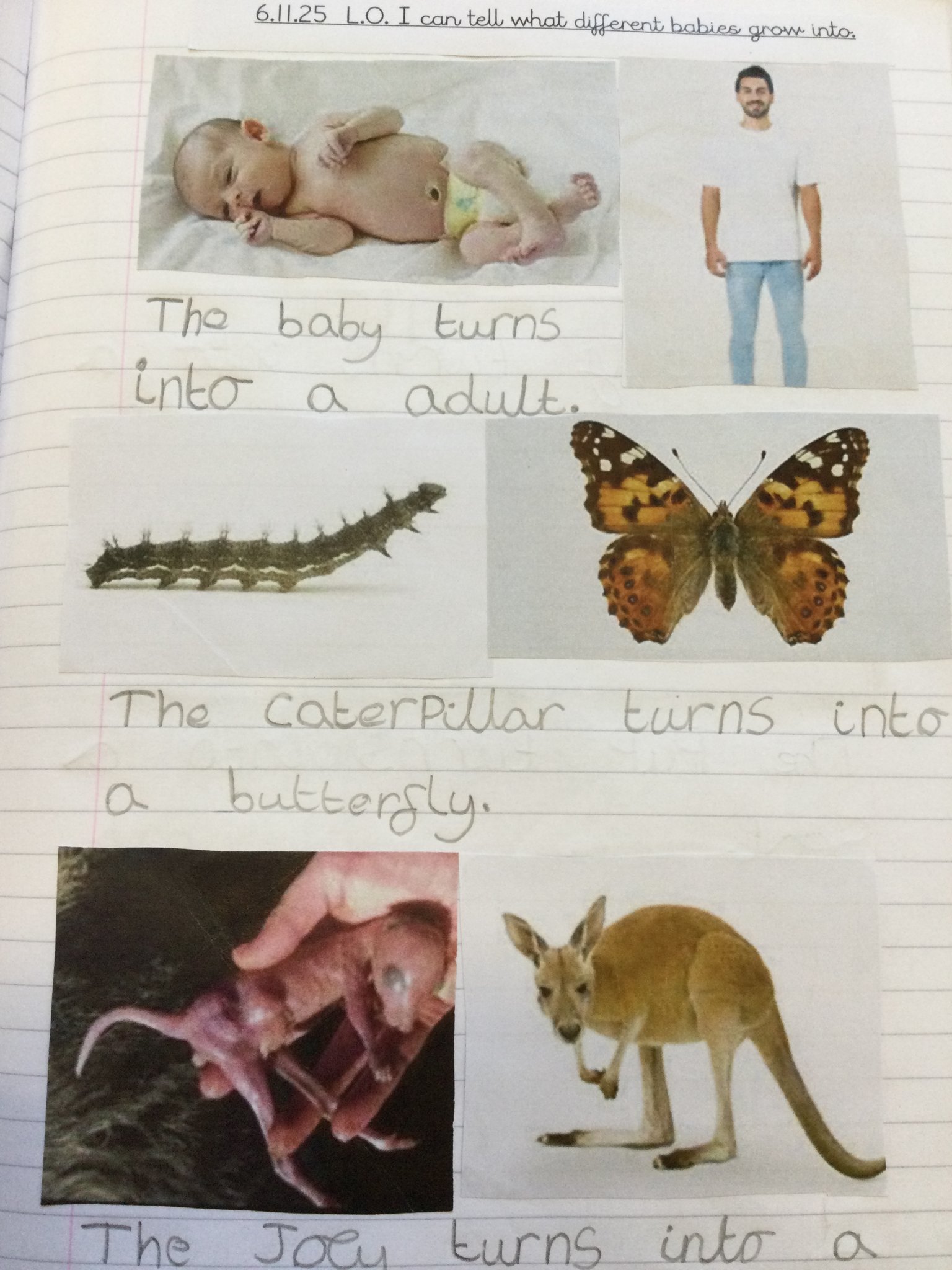
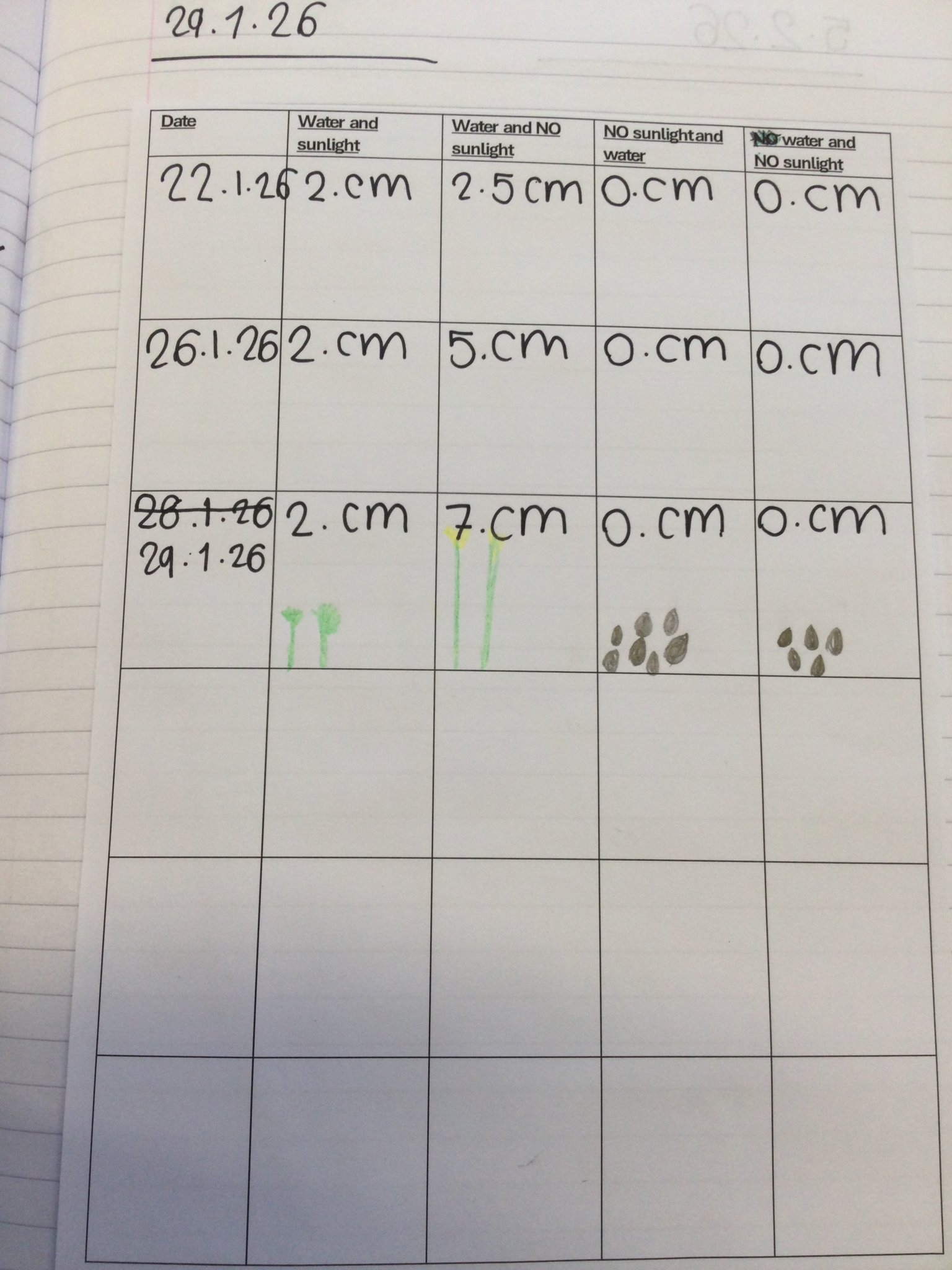
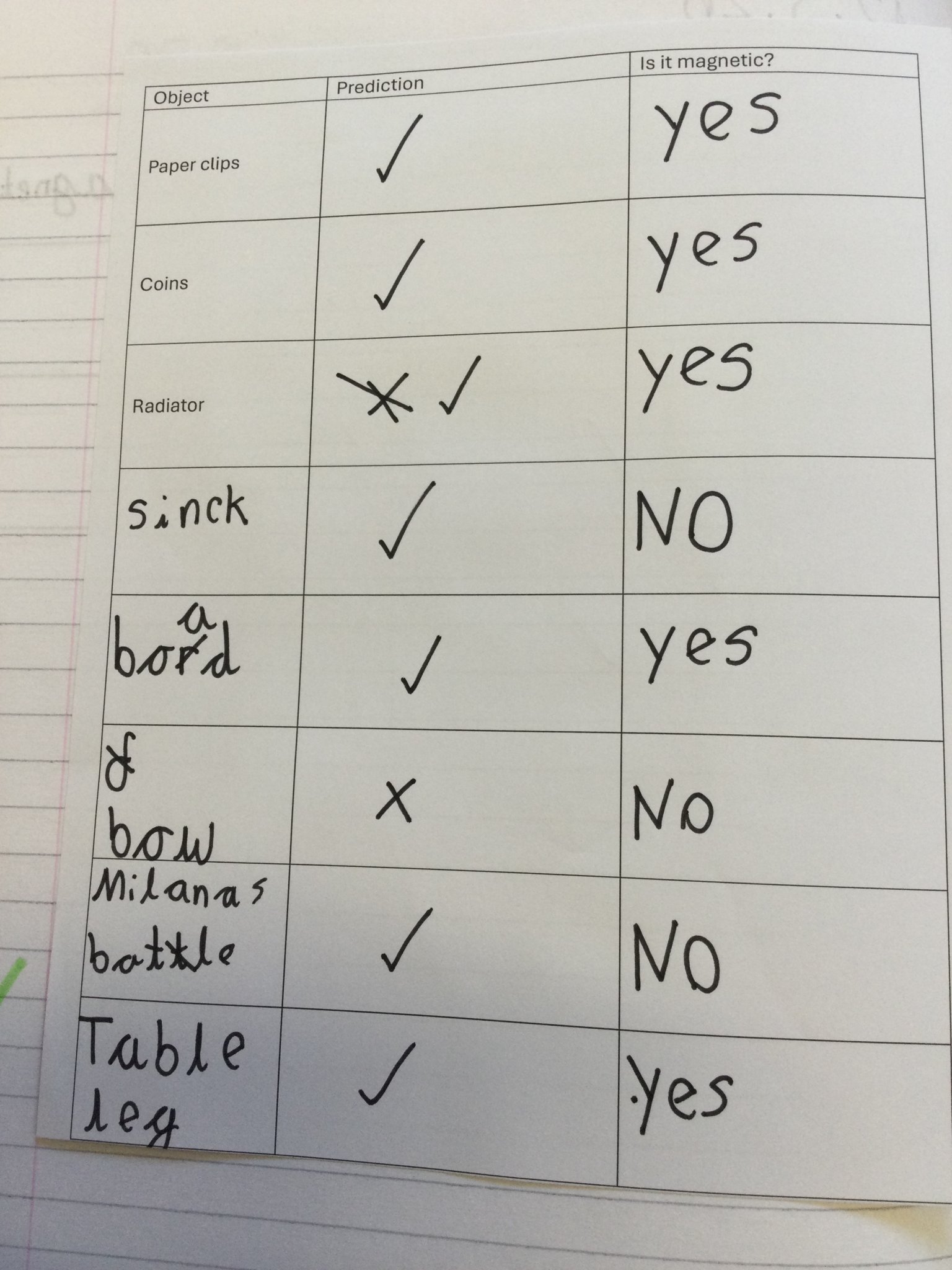
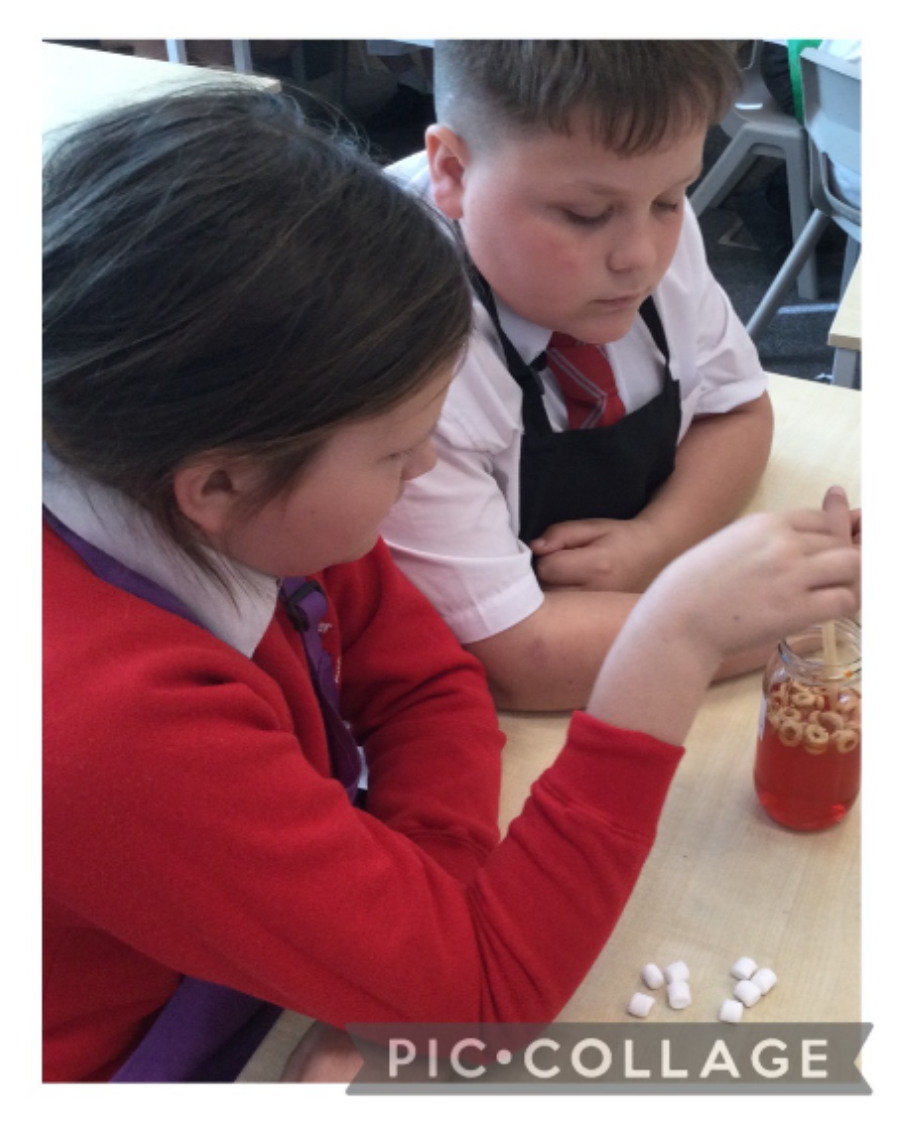
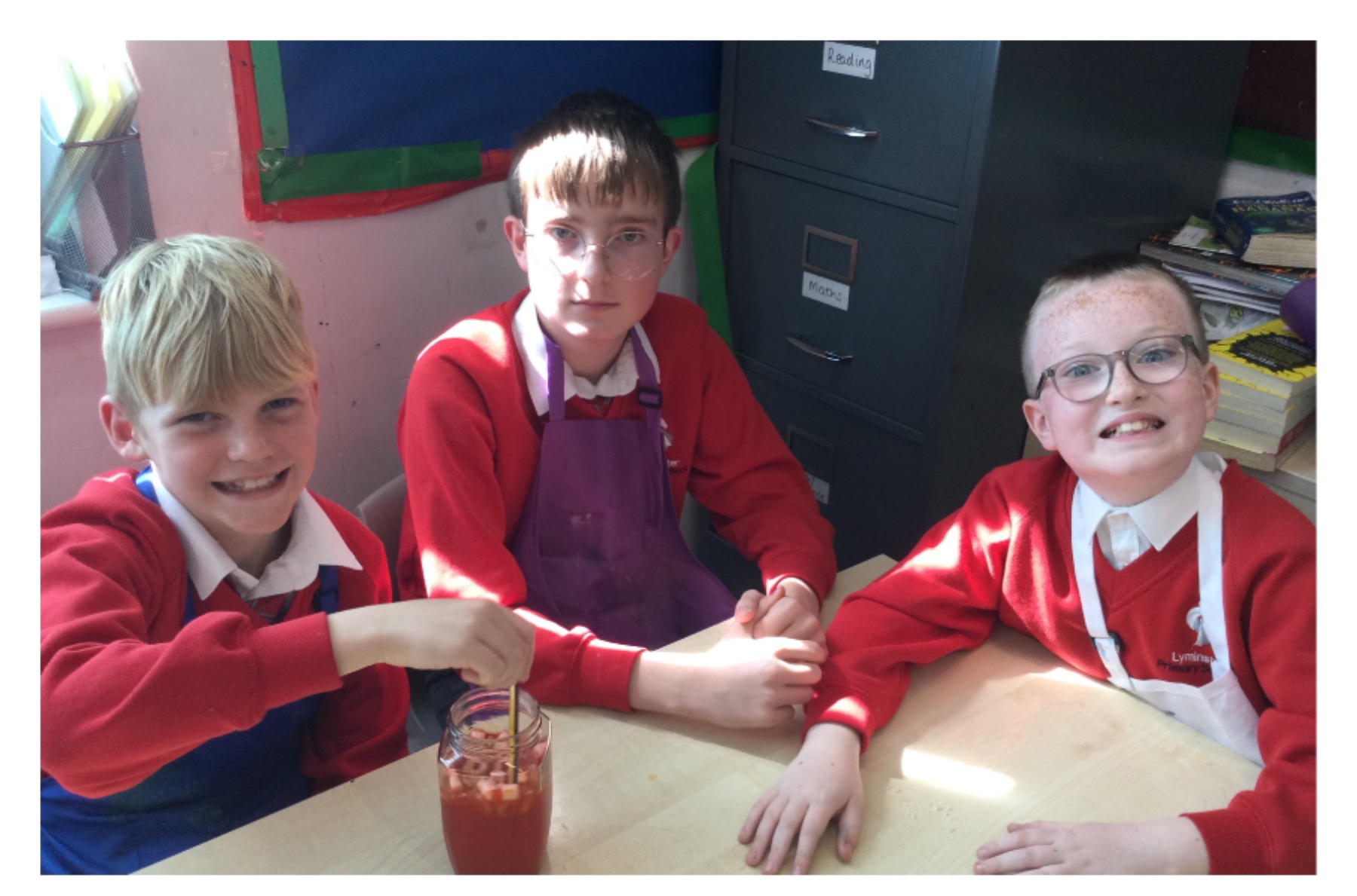
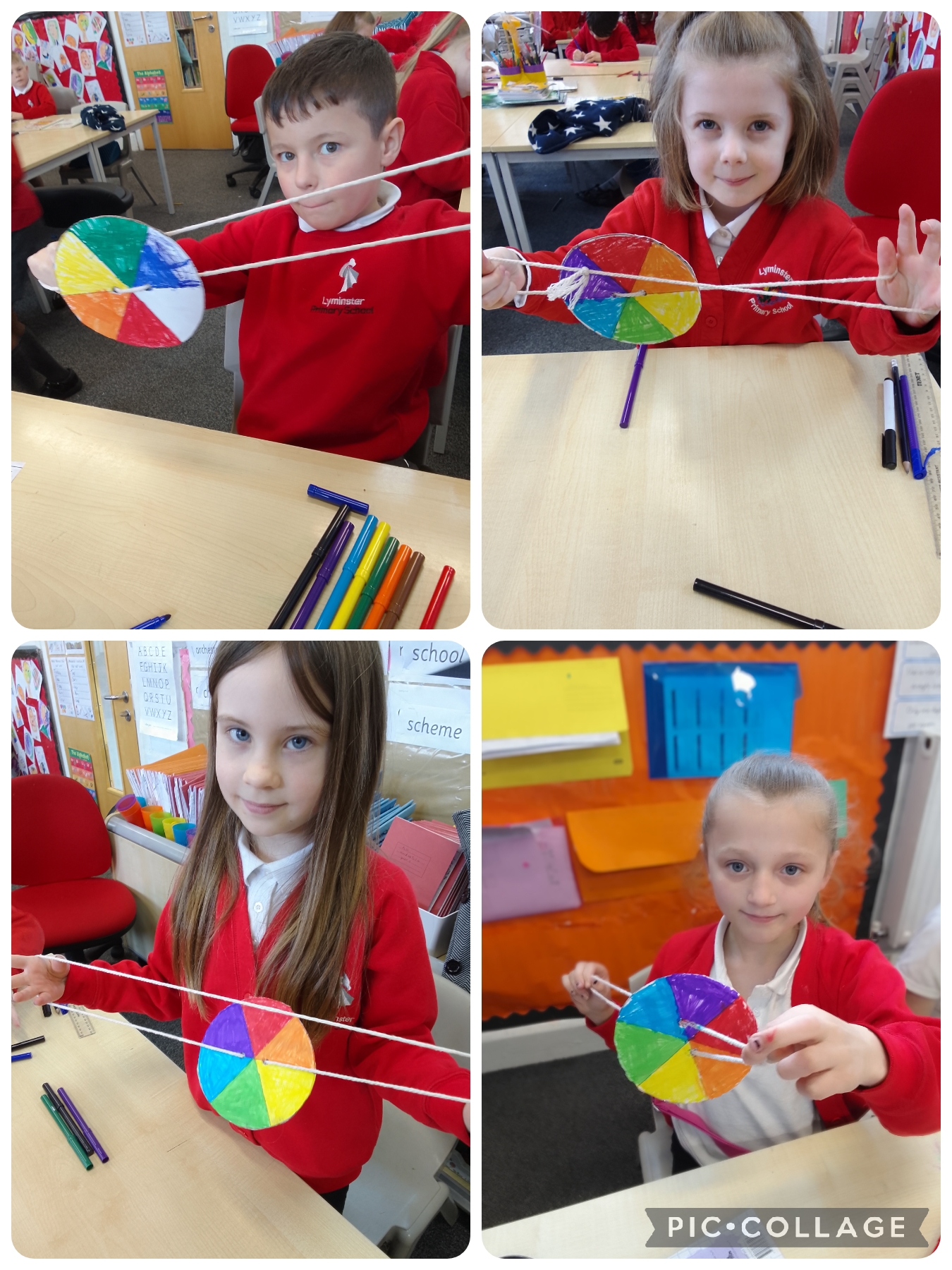
Science KS2 Exploration
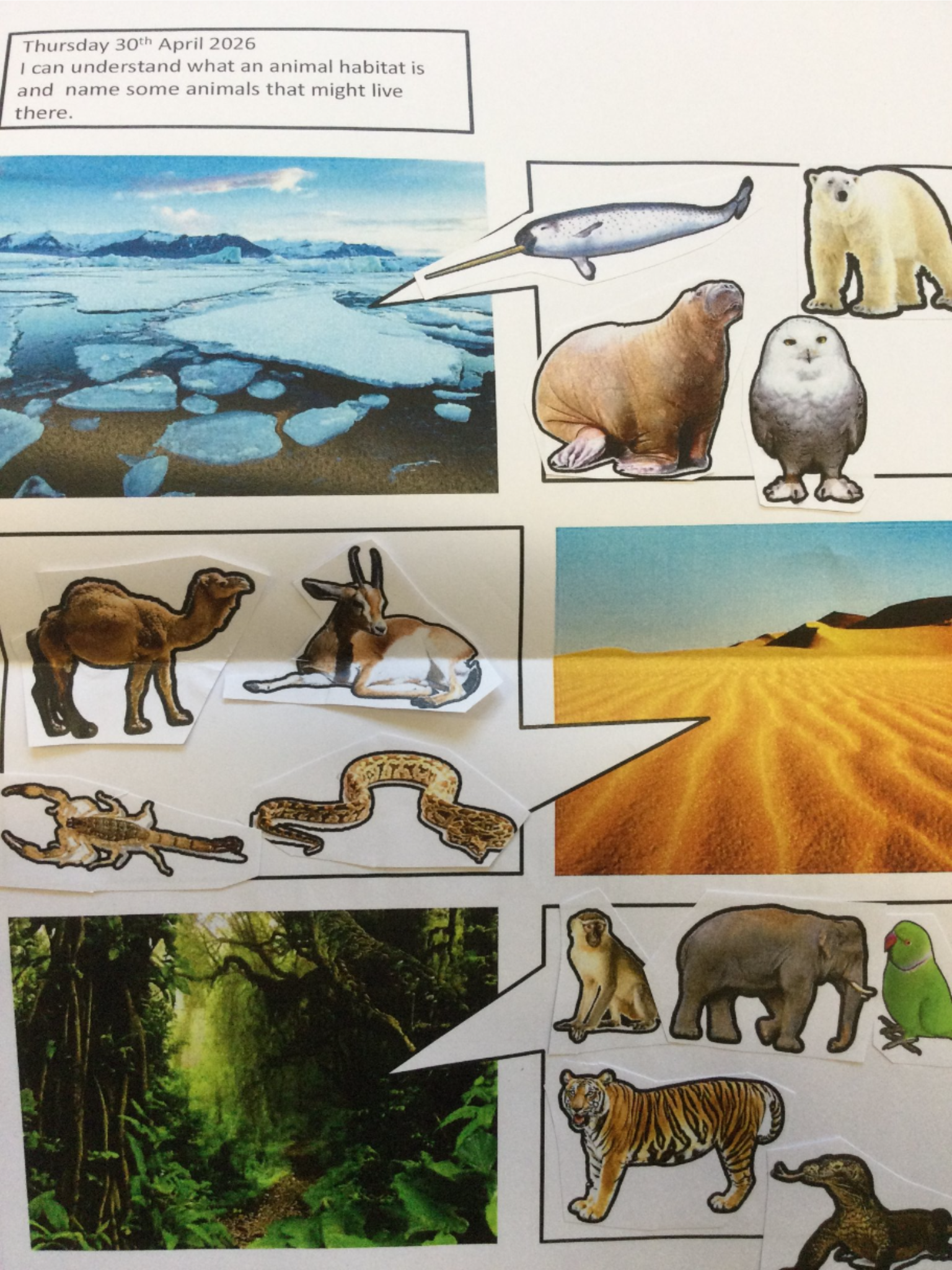
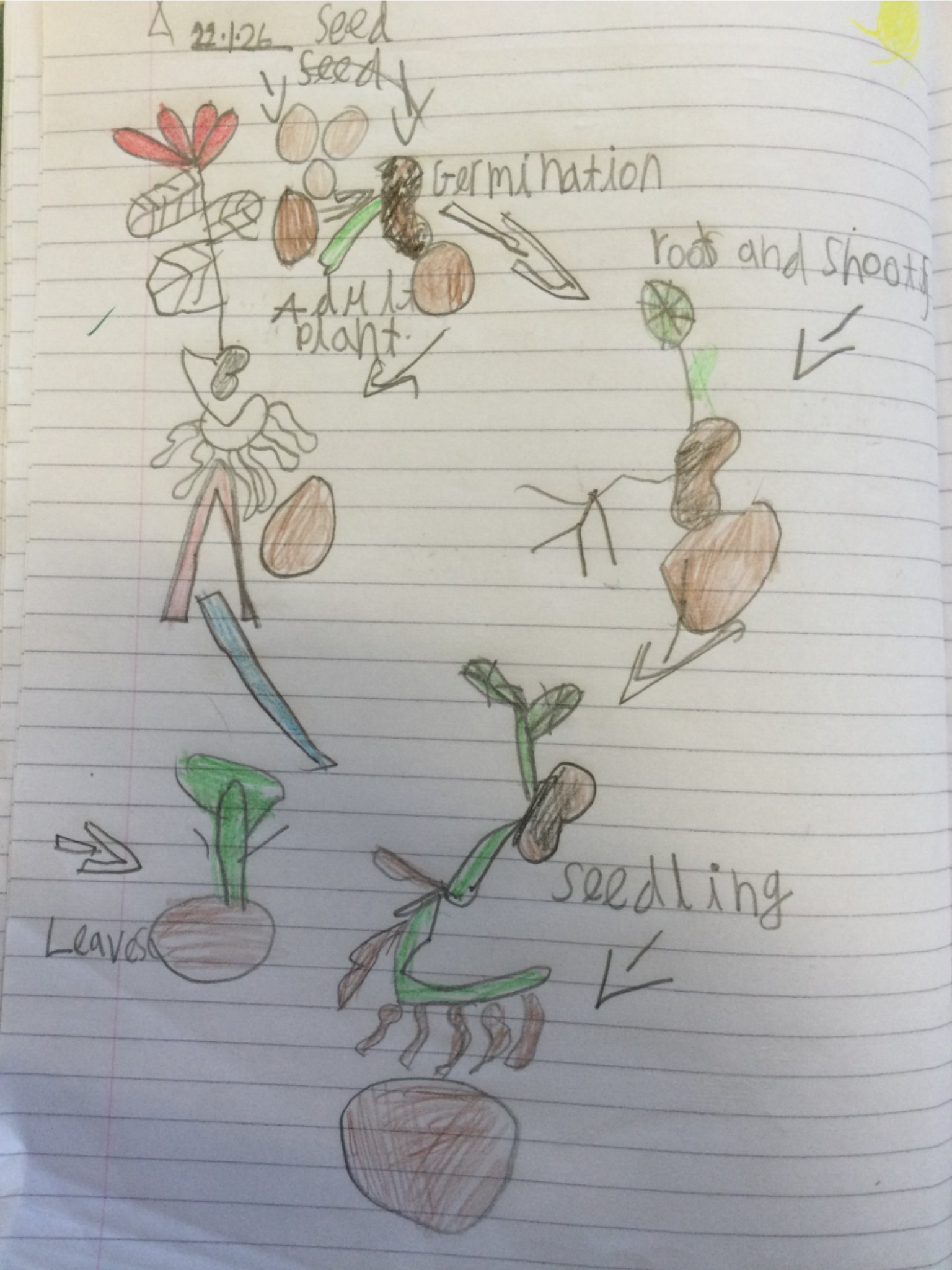
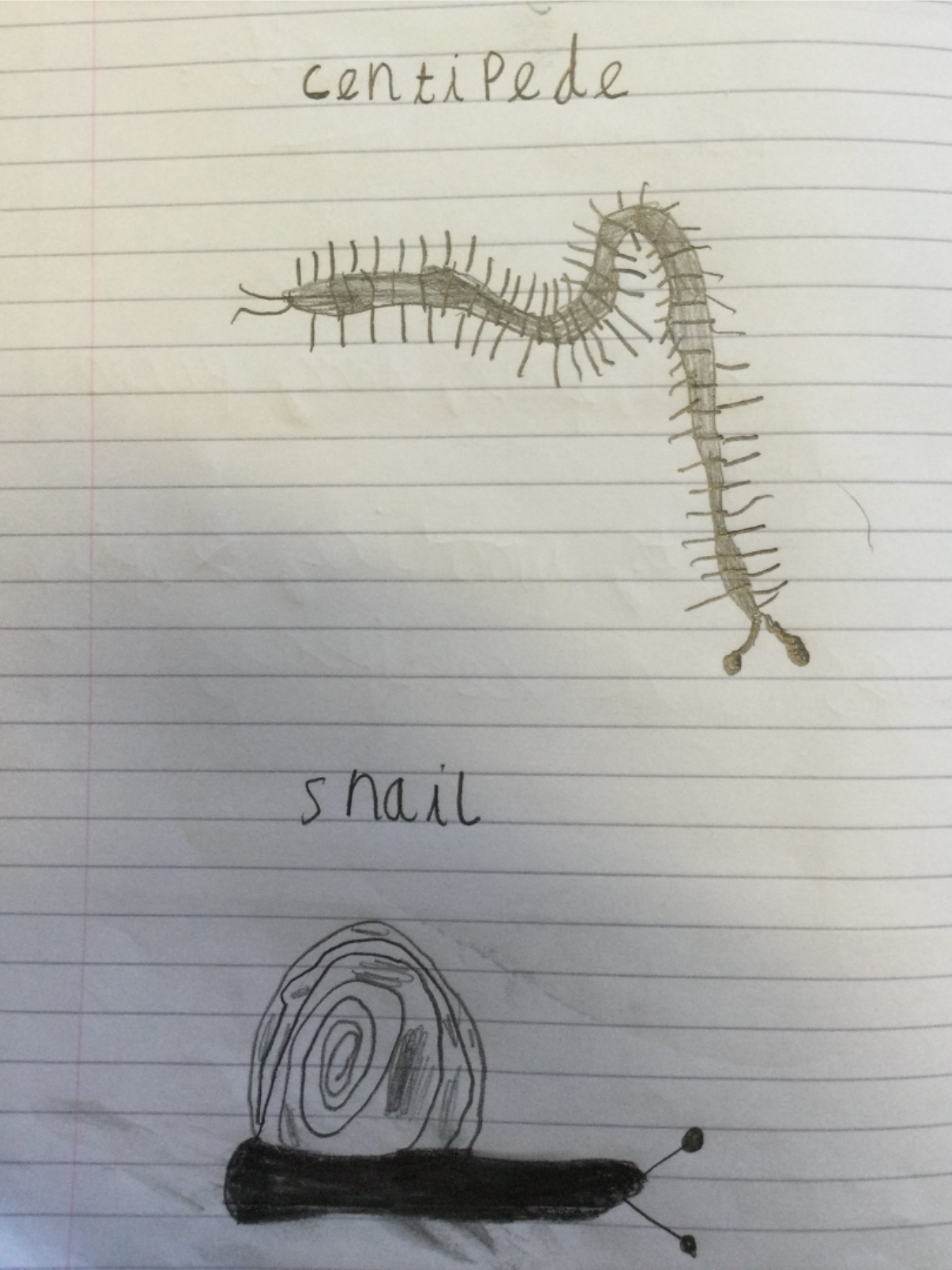
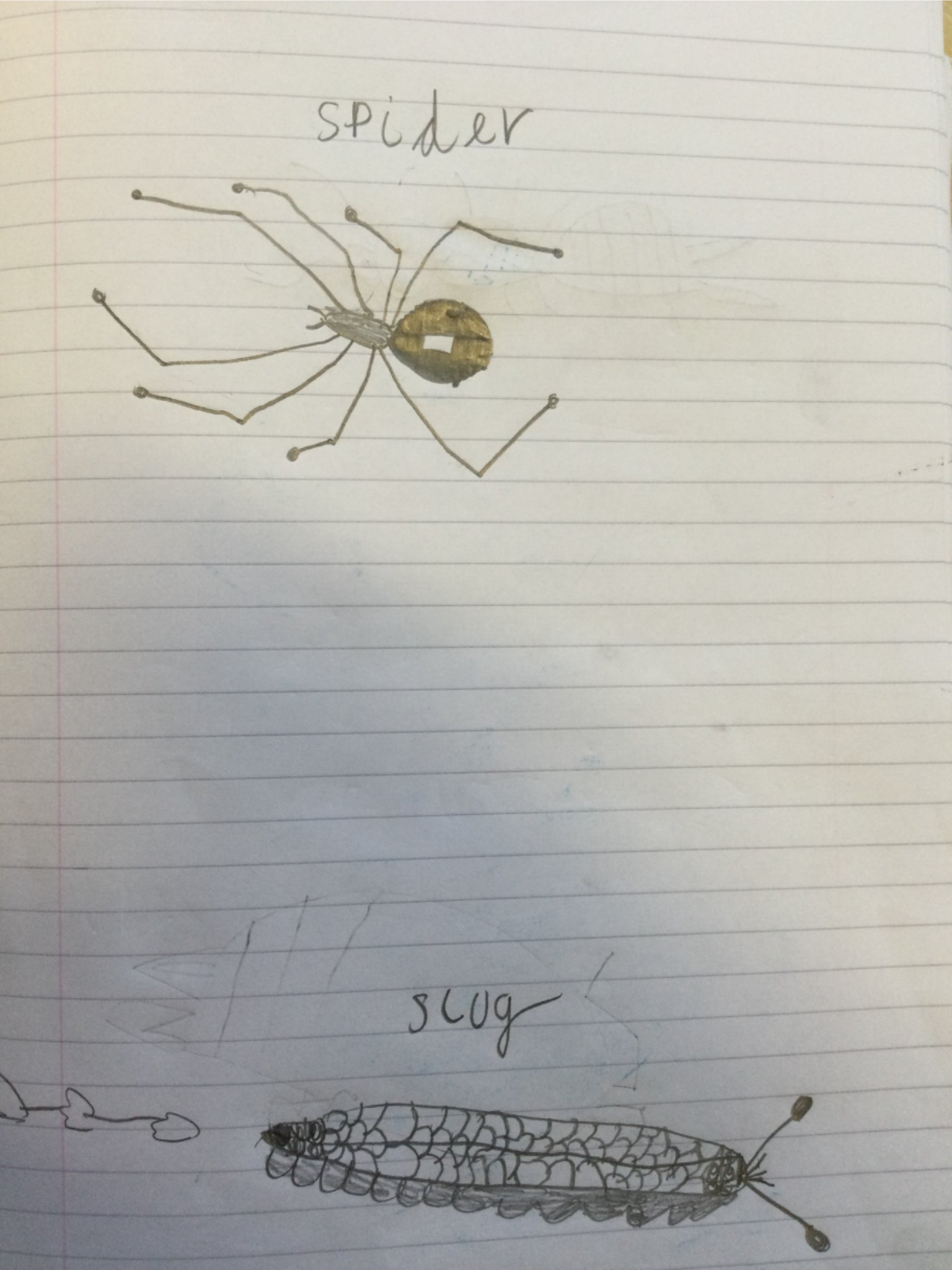
.jpg)
Planning
At Lyminster Primary School, all of our science planning includes key questions to guide learning, as well as common misconceptions that children might have. This helps us address misunderstandings early and support pupils in building secure scientific knowledge.
Our lessons are designed to move children’s learning forward through purposeful questioning and opportunities to think more deeply. Scientific enquiry skills—such as observing, predicting, investigating, and drawing conclusions—are taught alongside age‑appropriate scientific knowledge.
We use our “Working Scientifically” progression document to ensure that enquiry skills are introduced in a structured, age‑appropriate way for each year group. This means every child has the right level of challenge and support as they develop confidence and independence in their scientific thinking.
Here is a more professional yet parent-friendly version:
STEM Month at Lyminster Primary School
This June, we are delighted to be celebrating STEM Month at Lyminster Primary School. This dedicated time in our school calendar highlights the importance of Science, Technology, Engineering and Mathematics, while inspiring curiosity and enthusiasm through engaging, hands-on experiences. Throughout the month, pupils will take part in a variety of exciting activities:
🔬 Science Rotation Day
Children will move between classrooms, working with different teachers to explore a wide range of scientific concepts in a fun and interactive way.
🧪 Science Fair
We are pleased to introduce our very first Science Fair. Each class will present their scientific ideas and findings, focusing on clear communication and creativity as they share their learning.
🌱 Green Dragon’s Den
Our popular enterprise challenge returns, where pupils become Eco Warriors, designing innovative products that support both our school community and the wider environment.
🎨 ‘100 Endangered Animals’ Project
To celebrate Sir David Attenborough’s 100th birthday, children will contribute to a collaborative scientific art piece highlighting endangered species and raising awareness of conservation.
We look forward to sharing photographs and updates throughout the month, so you can see the wonderful learning taking place.